Home Care Solutions: Personalized Support for Older Adults
Home care options play an essential role in assisting seniors as they navigate daily life. These options offer customized support suited to individual needs, promoting independence while maintaining safety. Beyond physical tasks, they also furnish psychological care, addressing feelings of isolation. Grasping the various aspects of home care can be challenging, yet it is important for families looking for the best options for their loved ones. The next steps in this journey are critical.
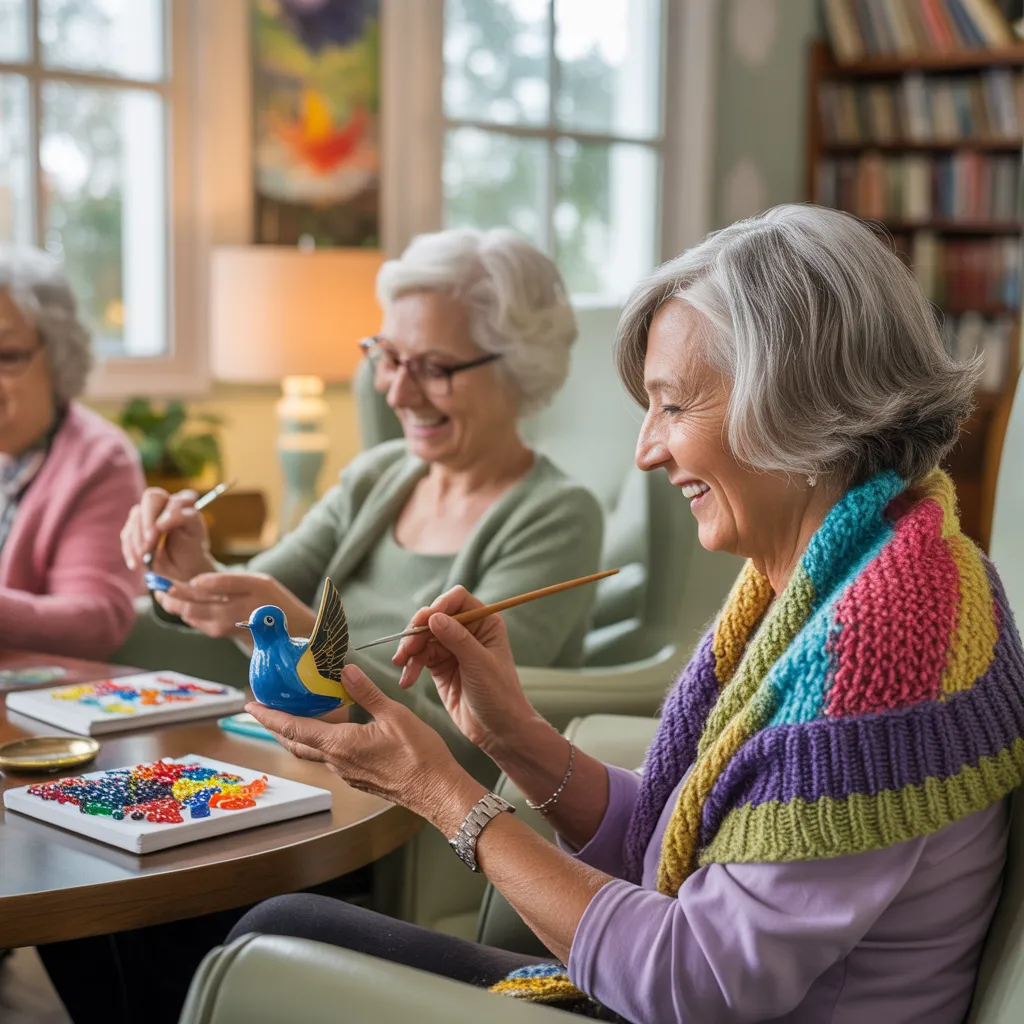
Why Aging people Need Home Care Services
Seniors grow older and typically experience reduced ability to perform daily activities, requiring home care services. Numerous people face difficulties such as mobility issues, chronic health conditions, and cognitive decline, rendering tasks challenging progressively. Home care support provide essential support, enabling seniors to preserve autonomy while getting customized care tailored to their unique needs.
These offerings often provide help with meal preparation, medication management, and self-care, which can significantly improve the standard of living. Additionally, in-home care addresses the emotional well-being of elderly individuals by providing friendship and social engagement, decreasing sense of loneliness and solitude.
In addition, home care solutions are flexible, enabling families to adjust the amount of care as their loved one's needs evolve. This adaptability ensures that seniors receive the right support, building a safe and nurturing environment for aging in place. Ultimately, home care services are essential for advancing health and dignity in the later stages of life.
Ways to Identify Your Cherished One's Needs
How can groups effectively determine the exact requirements of their aging loved ones? Analyzing these requirements begins with open communication. Families should involve themselves in genuine discussions, allowing aged persons to express their choices and anxieties. Noting regular habits can also shed light into areas requiring assistance, such as physical difficulties or problems with home maintenance.
Additionally, families can perform a comprehensive assessment by speaking with medical professionals who can identify medical requirements. This may involve seeing the family member's doctor or examining recent medical records. It is essential to take into account emotional and social needs, as companionship and mental well-being are vital for seniors.
Finally, families should inspect the home environment to spot latent dangers or modifications vital for safe conditions. By uniting these approaches, households can establish a comprehensive understanding of their family member's requirements, culminating in more better-informed decisions with respect to suitable home care approaches.
Vital Sorts of Home Care Provisions for Seniors
Comprehending the specific needs of aging loved ones provides the basis for selecting correct home care packages. Several essential types of home care packages respond to these circumstances, guaranteeing seniors receive the backing vital for their well-being.
Personal care services concentrate on support with daily activities such as bathing, dressing, and grooming. Companionship services provide emotional support and social engagement, working to alleviate emotional isolation. Medication management ensures that seniors adhere to their prescribed regimens, minimizing health risks.
Additionally, home-based health services provides expert nursing support for those requiring healthcare needs, encompassing wound care and physical therapy. temporary respite gives family care attendants temporary relief, guaranteeing they can recharge while safeguarding their loved ones remain in care. By grasping these service types, kinship groups can make informed decisions that strengthen the life quality for their elderly loved ones.
Grasping the Benefits of Tailored Support
Bespoke support significantly enhances the standard of support for seniors, addressing their individual needs and preferences. By tailoring care to personal specifications, care providers can foster a sense of dignity and self-determination, which is vital for emotional and psychological well-being. This tailored method frequently leads to improved health outcomes, as seniors are increasingly inclined to comply to care plans that resonate with their lifestyles.
Furthermore, tailored support builds stronger connections between caregivers and seniors, cultivating trust and open communication. This bond helps caregivers to better understand the emotional and physical challenges experienced by seniors, resulting in more effective interventions. Additionally, it enables families to feel more involved in the care process, reducing concerns about their loved ones’ health. Overall, personalized support not only improves the quality of care but also uplifts the lives of seniors, providing them with the comfort and security they deserve in their golden years.
Determining the right home care provider can seem challenging, yet it is a crucial choice for households seeking the best care for their elderly loved ones. To begin, households should assess the particular requirements of their loved ones, such as healthcare needs, help with everyday activities, and social connection. Investigating nearby services is important; families can consult internet ratings, request recommendations from acquaintances, or get in touch with local aging agencies for guidance.
Once candidate services are discovered, families should schedule interviews to determine the quality of care offered. Inquire about staff qualifications, professional development, and expertise in handling parallel cases. Additionally, it is essential to discuss treatment strategies and responsiveness in services, confirming they can respond to changing needs. In conclusion, verifying certifications and permits provides assurance of compliance with regional standards. By carefully evaluating these factors, kinfolk can determine suitable solutions that align with their loved ones' unique needs and inclinations.
Home Care Expense Analysis
Managing the financial landscape of home care can be challenging for families, as costs can vary greatly based on services required, location, and the level of care needed. On average, hourly costs for home care services span $20 to $50, depending on the level of complexity in care. Basic help with routine activities generally costs less than specialized medical support, which can significantly increase costs.
Geographic location plays an important role in determining costs; urban areas often have increased pricing compared to rural regions. Additionally, families may encounter different rate options, such as hourly, daily, or live-in rates. Insurance coverage can further complicate financial planning, as not all policies reimburse home care expenses. Families are encouraged to explore available financial aid, including government programs and community resources, which can help reduce some of the financial burden associated with home care services. Understanding these cost dynamics is essential for informed decision-making.
Strategies for Connecting With Home Care Staff
How can households communicate their needs effectively to in-home care providers? Transparent dialogue is vital for making sure that seniors receive the appropriate care. First, families should specify specific needs and preferences, including daily routines, medical conditions, and personal interests. Sharing comprehensive details permits caregivers to customize their approach effectively.
Second, promoting direct communication is necessary. Families should feel empowered to ask questions and conveying feedback pertaining to the care being administered. Regular touchpoints can help handle any concerns swiftly.
Third, employing written communication, including care logs or journals, can help monitoring alterations in health or behavior, which is advantageous for both families and professionals. Finally, fostering a working partnership encourages understanding and mutual respect, leading to improved care outcomes. By implementing these methods, families can establish a supportive environment that enhances the begin now home care process for their loved ones.
Frequently Asked Questions
In What Ways Can I Involve My Senior in Care Choices?
Engaging a senior in care decisions can be accomplished by encouraging open discussions, actively listening to their expectations, offering knowledge about alternatives, and respecting their choices, ultimately fostering a perception of self-governance and authority.
What Are the Signs That Home Care Is Needed?
Signs that residential assistance is required include difficulty with daily activities, repeated falling incidents, lack of social interaction, poorly controlled health issues, neglect of personal hygiene, and increased confusion or memory loss. Input from relatives can also highlight these issues.
Live-In Care Services - Can They Be Tailored as Time Progresses?
Yes, home care services can be tailored over time. As circumstances shift, caregivers can adjust the amount of help, frequency of visits, and varieties of care provided, ensuring ideal care for clients throughout their course.
How Do I Handle Care Provider Changes or Changes?
Handling caregiver changes demands clear communication. Building trust and continuity through slow introductions and comprehensive care plans can smooth transitions, guaranteeing that both elderly individuals and care providers feel at ease and supported throughout the transition.
What Common Incorrect Ideas Exist About At-Home Care for Aging Adults?
Widespread beliefs about at-home care for seniors encompass assumptions that it is exclusively for the critically ill, excessively dear, or that caretakers want necessary expertise. In reality, home care presents extensive options matched to specific demands.